
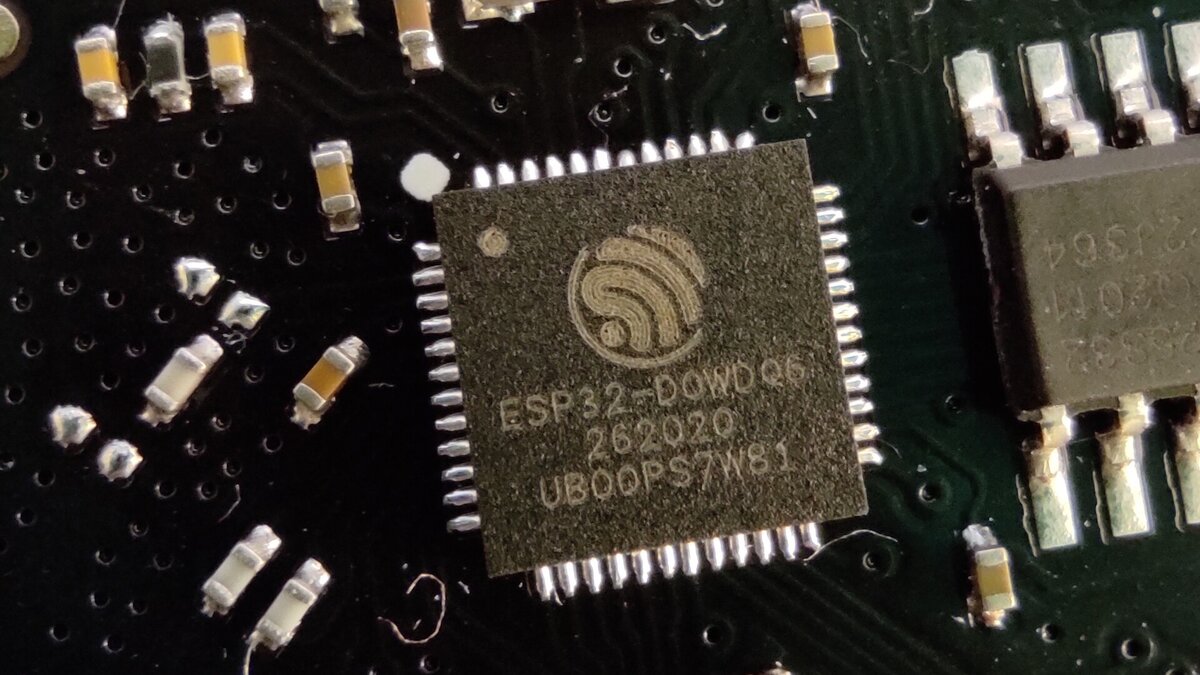
Espressif has tagged the Arduino core for its chips as 4.0.0 stable. According to the official GitHub release, it was published at 01:45 UTC on 19 November 2026 under the title "4.0.0 based on ESP-IDF v6.1.1". It is the first 4.x release on the stable channel, following the 3.3.x maintenance line. The headline pull request, #12677, is titled "Release v4.0.0 and add support for ESP32-S31". The newest Espressif part therefore reaches stable Arduino support in the same release that moves the core to a new ESP-IDF base.
This piece covers the stable tag: what changed, what breaks, and what Boards Manager will now install.
The Platform Underneath
The release notes name the base as ESP-IDF v6.1.1. Espressif's Boards Manager package index lists 4.0.0 as the newest version, followed by 3.3.13 and 3.3.12. The core archive, esp32-core-4.0.0.zip, is listed at 62,781,672 bytes. The index pins these tool dependencies:
esp-x322512 andesp-rv322512 (the Xtensa and RISC-V toolchains)esptool_py5.3.1openocd-esp32v0.12.0-esp32-20260831mklittlefs4.0.2-db0513a
The index also carries ten precompiled library packages, all at 4.0.0: esp32, esp32c3, esp32c5, esp32c6, esp32h2, esp32p4, esp32p4_es, esp32s2, esp32s3 and esp32s31. The GitHub release attaches matching libs zips for each of those ten, plus the core archives and the package index JSON files.
The project README's supported-chips table now lists ESP32, ESP32-C3, C5, C6, H2, P4, S2, S3 and S31. Two chips are still outside the prebuilt path. The README says ESP32-C2 and ESP32-C61 are supported only by using Arduino as an ESP-IDF component or by rebuilding the static libraries. If your project targets either of those, 4.0.0 does not change your workflow.
What Breaks: The 3.x to 4.0 Migration Guide
Espressif has published a migration guide from 3.x to 4.0. The guide's table of contents has three areas under WebServer: Server-Sent Events state, LEDC maximum duty, and request hardening.
SSE state moves from the client to the server
The most clearly documented change concerns Server-Sent Events. In 3.x, the SSE marker lived on the client object. In 4.0 it is owned by the server. NetworkClient::setSSE() and NetworkClient::isSSE() are deprecated. The guide says they remain functional, with removal planned for 5.0. The replacements are WebServer::enableSSE() and WebServer::isSSE(). The guide's example swaps server.client().setSSE(true) for server.enableSSE() inside the request handler. Sketches that stream sensor data to a browser over SSE should keep working for now, but plan to port them before the next major release.
LEDC maximum duty and WebServer request hardening
The guide's contents also list sections on LEDC maximum duty and WebServer request hardening. The release changelog separately mentions a WebServer header-validation hardening change. Anyone using LEDC for PWM at the top of the duty range, or running a WebServer sketch that sends unusual headers, should read those sections before upgrading. The guide is the authority on exact behaviour, and we do not paraphrase those details here.
What's New in the API
The changelog for 4.0.0 is long. It covers everything from 3.3.12 to 4.0.0, and the release lists 23 new contributors. The additions most relevant to firmware authors fall into a few groups.
Crypto and encoding
- HMAC Builder: a new HMAC helper in the hash library.
- Base64 decode: new decode functions.
- SHA2 optimisation: the changelog lists SHA2 and WebServer optimisation in one entry.
setCiphersonNetworkClientSecure: TLS clients can now restrict the cipher suites they offer.
Language ergonomics
- Timer callbacks accept
std::functionand lambdas (#12911). Capturing lambdas can now replace the free-function-plus-global pattern. std::stringin Preferences:putStringandgetStringnow acceptstd::string, so you no longer have to convert to and from ArduinoString.
Networking and OTA
- IPv6 DNS configuration.
- OTA
onPrepare()callback, added in the changelog under the OTA feature entries. espotaprompts for a missing OTA password.- WebServer optimisation, alongside the header-validation hardening noted above.
USB and peripherals
- TinyUSB CDC
notifyStatesupport, with a later option to enable notify state on CDC0. - UAC1/UAC2 USB audio with multiple sample rates.
- PARLIO TX/RX bus types in the peripheral manager.
New Boards
The release adds a number of board definitions. The changelog names these:
- SparkFun RedBoard IoT ESP32-P4, described in the changelog entry as "POE, WiFi/BLE"
- LilyGo T-Deck
- ELEGOO ESP32-C6
- Kode Dot, whose definition has moved to ESP32-P4
- Soldered NULA CAN ESP32S3
The Kode Dot change matters for anyone with an existing sketch that targets that board. Its definition now points at an ESP32-P4. Check your board selection after upgrading. For specifications of any of these boards, use the vendor's own product page. The Arduino-ESP32 changelog lists the boards but does not give their specifications.
What It Means for Makers
Who it is for. Anyone building Arduino-framework firmware on Espressif silicon, including everyone using the Arduino IDE Boards Manager. ESP32-S31 now appears in the README's supported-chips table and has its own precompiled libs package. PlatformIO users should check when their platform package picks up the release.
What it replaces. 4.0.0 supersedes the 3.3.x line as the newest entry in the package index. The release moves the core to ESP-IDF v6.1.1. The documented migration items are SSE handling, LEDC maximum duty, and WebServer request hardening, so read the migration guide before you update a deployed project. Pinning 3.3.13 in Boards Manager stays an option while you test, because the package index still lists it.
What it enables. The changes that matter most day to day are lambda timer callbacks, std::string Preferences, cipher selection on TLS clients and the OTA onPrepare() hook. USB audio at multiple sample rates and the PARLIO bus types add further peripheral options inside the Arduino core.
Price and availability. Arduino-ESP32 4.0.0 is a stable software release, available through Espressif's Boards Manager package index and as tagged assets on GitHub, as of 19 November 2026. The sources do not list a price for the core. ESP32-C2 and ESP32-C61 developers still need the ESP-IDF-component route or a static-library rebuild.
