
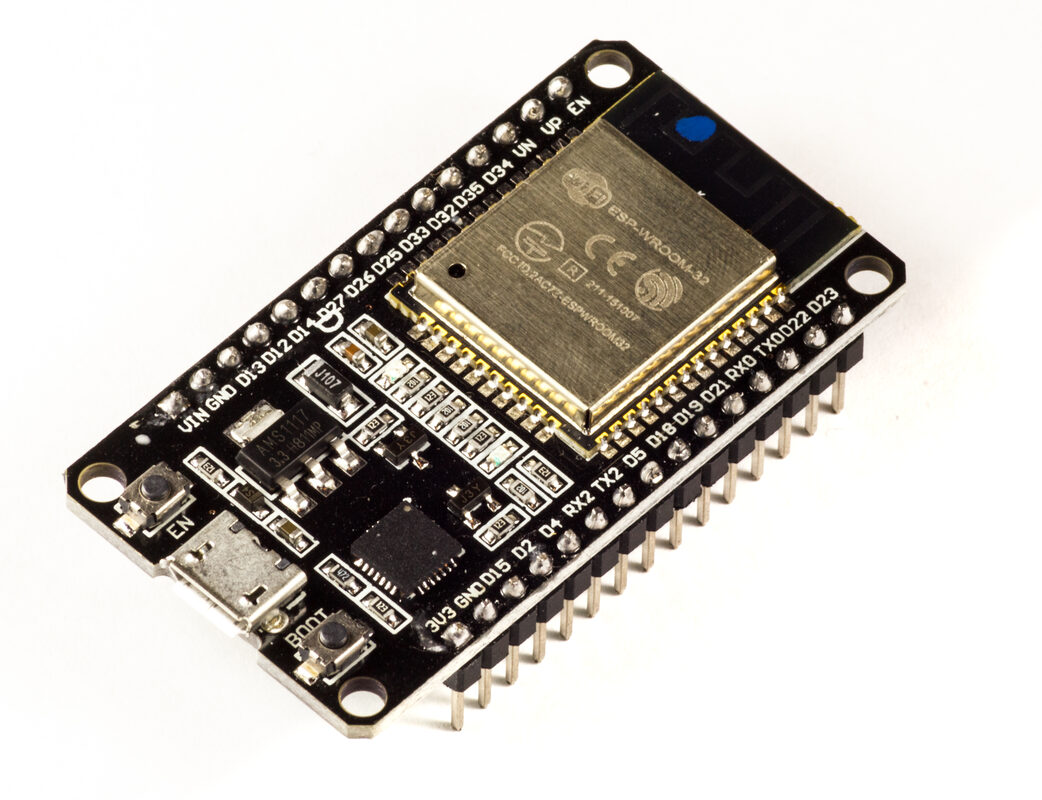
Meta has open-sourced the Muse Gadget SDK, a set of device SDKs that connects home-built hardware to Muse, the company's personal AI agent. The code is published on GitHub as facebookincubator/muse-gadget-sdk, mostly under the Apache License 2.0. It contains an ESP32 device SDK built on ESP-IDF and a Linux device SDK. On 19 October 2026 Espressif published its own announcement. It lists ESP32-based hardware for the ecosystem and says Espressif is working on Matter controller support, so that Muse can discover, commission and control compatible Matter devices. The SDK is free to download. Meta's own hardware, an ESP32-C5 adapter called Muse Home Link, is being given free to US Muse subscribers while stock lasts.
How the release came about
Meta released the Muse agent on September 6, 2026, CNX Software reports. Nat Friedman, head of product at Meta Superintelligence Labs, introduced Muse Gadgets in a post on X in early October; RuntimeWire reported it on 2 October. Espressif's 19 October announcement adds the Matter plans and a longer list of supported ESP32 hardware.
The gadgets Espressif describes range from small screens that show Muse's status and images sent by the agent, to devices that start a voice interaction when a button is pressed, to an e-paper panel for daily briefings, reminders and shopping lists.
What is in the repository
The repository has four top-level SDK and tool directories:
esp32/: the ESP32 device SDKlinux/: the Linux device SDKskills/: integrations that, according to CNX Software, cover hardware such as the Apple HomePod Mini, Brother and Epson printers, ESPHome devices, 3D printers, various TVs and smart home devicesweb-flasher/: a web flasher tool
Each SDK directory has a README.md for getting started and an AGENTS.md written for coding agents. The project warns that tinkering can brick boards, void warranties or cause brownouts.
Apache 2.0 does not cover every file. The repository lists exceptions for some third-party code: minimp3.h is CC0-1.0, an EchoEar display initialisation header is MIT, and pixel_font.c is BSD-2-Clause. The Jollybot avatar in esp32/avatar is not covered by the Apache licence, and build-time dependencies keep their own licences. Anyone redistributing firmware built from the SDK should check those files separately.
The token requirement
The code is open, but connecting a device to Muse is not. Every gadget needs an SDK token from gadgets.muse.ai/settings/sdk-tokens to pair, and the developer has to review the Gadget SDK Terms at gadgets.muse.ai/sdk-terms. Devices are paired through the Muse app for iOS or Android with Developer mode turned on, and they appear under Settings > Devices with the prefix "MuseGadget". An isolated PPK2 power-profiling diagnostic in the ESP32 SDK runs without pairing or a token.
RuntimeWire points out the consequence: "Meta controls the required tokens and can withdraw them", so having the source code does not guarantee that a device will keep working with Muse.
The hardware
Espressif's announcement lists the following hardware for the ecosystem:
- Muse Home Link: ESP32-C5, USB-C, dual-band 2.4 GHz and 5 GHz Wi-Fi 6; reaches devices such as lights and TVs through their local HTTP APIs and community skills
- M5Stack StickS3: ESP32-S3, compact colour screen and physical buttons
- Waveshare ESP32-S3-Touch-AMOLED-1.75C: ESP32-S3, round AMOLED touch screen with audio hardware
- Seeed reTerminal E1002: ESP32-S3, colour e-paper display
- ESP-Mosaico: ESP32-S31, modular development device with a touch screen, audio interaction and peripheral expansion
CNX Software adds that the Home Link's ESP32-C5 also provides BLE and 802.15.4 (Zigbee/Thread), and that the board has 8MB flash, 8MB PSRAM, a USB-C port for power and programming, and an LED. On the Linux side, CNX Software reports that Meta recommends the Raspberry Pi 5, and that an HDMI stick will also be supported, with no details yet.
Espressif says it will "soon" share Muse demo concepts built on ESP-Mosaico. It gives no date for those demos or for the Matter controller work.
Availability
The SDK is available on GitHub now. Meta manufactured 5,000 Muse Home Link units and is offering them free to active Muse subscribers in the United States, claimed through gadgets.muse.ai. On October 12, 2026, CNX Software reported that the units would be provided "in the next few weeks as long as stock lasts". No retail price has been given for the Home Link, and Espressif's announcement gives no prices or dates for any of the hardware it names.
What It Means for Makers
- Who it suits: Muse users who want a physical interface to the agent, such as a status display, an image frame or a push-to-talk button, built on ESP-IDF or on a Linux board such as the Raspberry Pi 5.
- Where to start: The
esp32/andlinux/READMEs in the repository are the documentation, and the boards Espressif and CNX Software name are the starting points. - Account dependency: Pairing needs a token and the Muse mobile app in Developer mode, so read the SDK terms before investing in a build.
- Matter: Matter controller support is in development at Espressif, not a shipped feature. For now, the Home Link reaches other devices through their local HTTP APIs and the integrations in
skills/.
Sources
- Espressif: ESP32 Powers the Muse Gadgets Ecosystem: Personal AI Meets Interactive Hardware (19 Oct 2026)
- GitHub: facebookincubator/muse-gadget-sdk
- CNX Software: Facebook releases Muse Gadgets SDK for ESP32 and Raspberry Pi/Linux-based devices (12 Oct 2026)
- RuntimeWire: Meta opens Muse to ESP32 gadgets and home-built interfaces (2 Oct 2026, updated 14 Oct)
